Roman Flames: A Bold Decorative Font for Marketing
In the fast-paced world of digital marketing, capturing attention within the first three seconds is not just a goal; it is a necessity. As content creators and brand managers, we constantly battle against the scroll fatigue that plagues social media feeds and search results. The visual hook of a campaign often determines its success, and at the heart of that visual hook lies typography. Roman Flames, a distinctive decorative font created by Jeff Bensch, offers a unique solution for marketers looking to inject energy, drama, and personality into their visual communications. This typeface is more than just a stylistic choice; it is a strategic asset for building memorable brand identities and driving audience engagement across various digital platforms.
Visual Impact and Brand Personality
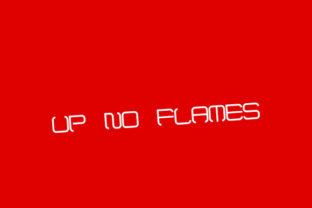
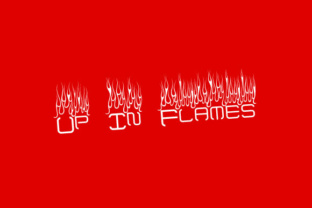
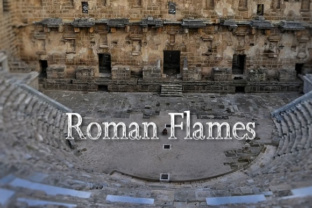
The aesthetic of Roman Flames is immediately striking. It combines classical structural elements with a dynamic, fiery texture that suggests movement and intensity. For a marketing specialist, this translates to a font that commands attention without shouting. Unlike generic sans serif fonts that blend into the background of modern web design, Roman Flames stands out as a premium display font capable of anchoring a visual hierarchy. Its mood is one of passion and urgency, making it an ideal candidate for product launches, seasonal promotions, or any campaign requiring a strong emotional connection.
When integrating this creative font into your brand identity, consider the psychological impact of its design. The "flame" aspect evokes feelings of heat, speed, and transformation. This makes it particularly effective for fitness brands, entertainment promotions, food and beverage campaigns featuring spicy or grilled items, and even tech startups launching disruptive innovations. By using Roman Flames in your logo design or primary headlines, you signal to your audience that your brand is bold, energetic, and unafraid to stand out in a crowded marketplace.
Strategic Applications Across Digital Channels
Versatility is key when selecting design assets for a comprehensive marketing strategy. Roman Flames excels in environments where short, punchy text needs to make a maximum impact. Here is how you can leverage this typeface across different mediums:
- Social Media Graphics: Use Roman Flames for Instagram post headers or Pinterest pins to stop the scroll. Its high contrast ensures readability even on small mobile screens when used correctly.
- YouTube Thumbnails: In the competitive landscape of video content, thumbnail text must be legible at a glance. This font provides the necessary weight and character to make titles pop against busy backgrounds.
- Digital Ads and Banners: For paid advertising campaigns on Facebook or Google Display Network, use Roman Flames for the primary call-to-action or the main offer headline to increase click-through rates.
- Reels and TikTok Covers: Create consistent series branding by using this font on your video covers, establishing immediate recognition for your content pillars.
- Email Headers: Break the monotony of standard email templates by incorporating Roman Flames in your promotional newsletter headers to boost open rates through visual intrigue.
Optimizing Readability and Visual Hierarchy
While Roman Flames is undeniably eye-catching, it is essential to remember that it is a decorative font designed for display purposes. To maintain professional standards and ensure your message is received clearly, adhere to specific readability guidelines. This typeface works best for headlines, subheaders, callouts, and short phrases. It is not suitable for body copy or long-form content where legibility is paramount.
To create a balanced composition, pair Roman Flames with a clean, neutral typeface. A geometric sans serif font works exceptionally well for captions and supporting text, providing a modern counterpoint to the ornate nature of the flames. Alternatively, pairing it with a traditional serif font can create an editorial look that feels sophisticated yet edgy. This contrast helps guide the viewer's eye through the design, ensuring that the most important information—the headline set in Roman Flames—is processed first, followed by the explanatory details.
Real-World Campaign Examples
Imagine you are running a limited-time sale for an online shop. A standard banner might get ignored, but a graphic featuring "FLASH SALE" in Roman Flames creates a sense of immediacy and excitement. The visual metaphor of fire aligns perfectly with the concept of a "hot deal." Similarly, for a webinar banner targeting entrepreneurs, using this font for the event title can convey a message of igniting potential or sparking new ideas.
For personal branding, influencers and coaches can use Roman Flames to highlight inspirational quotes on social media. The dramatic style adds weight to the words, making them feel more profound and shareable. In the context of a product teaser, overlaying the product name in this typeface over a dark, moody background can build anticipation and mystery before a major launch.
Licensing and Commercial Usage
As you integrate Roman Flames into your client campaigns, merchandise, or digital products, it is crucial to address licensing requirements. Jeff Bensch has created this font as a professional tool, and like all premium fonts, it comes with specific usage rights. Before deploying this typeface in commercial ads, template marketplaces, or physical goods, always review the commercial license agreement. Ensuring proper licensing protects your agency and your clients from legal issues while supporting the creator of the design assets you rely on.
In conclusion, Roman Flames is a powerful addition to any marketer's toolkit. It bridges the gap between artistic expression and commercial effectiveness, offering a way to elevate brand perception and drive engagement. By understanding its strengths in visual hierarchy and applying it strategically across your digital presence, you can create scroll-stopping visuals that resonate with your audience and leave a lasting impression.